Back to Pasadena to Palm Springs Driving Tour
San Dimas
San Dimas, a city of about 35,000 people, is located approximately thirty miles east of downtown Los Angeles, in the foothills of the San Gabriel Mountains and straddling the San Gabriel and Pomona valleys.
Story 3 of 25
The community started out in the early 1800s being called Mud Springs, named for the adjacent Mud Springs marsh whose wet and swampy terrain characterized the region. Though Gabrielino Indians occupied the area as early as 1000 B.C. and other tribes as much as 7,000 years ago, it was not until 1774 that white men first ventured into the region, when Spanish frontier soldier Juan Bautista De Anza and his party, en route from Mexico to Monterey, passed through the area that later became Mud Springs.
Other explorers, early settlers and cattle ranchers trickled into the region in the century that followed, but the community was formally put on the map in 1887, the year the Santa Fe Railroad was completed and began operating a rail line through the area. The railroad’s arrival triggered a land boom. The newly formed San Jose Ranch Company laid out streets and lots, land agent E.M. Marshall opened the first business, a hardware store, at the corner of Bonita and Depot streets and the name Mud Springs was changed to San Dimas.
San Dimas evolved into an agricultural community, especially noted for its orange and other citrus crops which were shipped all over the world. The citrus nurseries faded and finally disappeared in the mid-1900s with increasing development in San Dimas. After adjacent communities started annexing pieces of San Dimas in the late 1950s, it incorporated as a city in 1960. Today, conscious of its heritage, San Dimas maintains an early western look in its downtown area, complete with wooden sidewalks and old-fashioned western storefront facades.
In English, San Dimas translates to Saint Dismas. The name refers to the "good thief" who, according to Christian tradition, was crucified alongside Jesus Christ and is recognized as the patron saint of prisoners and reformed criminals
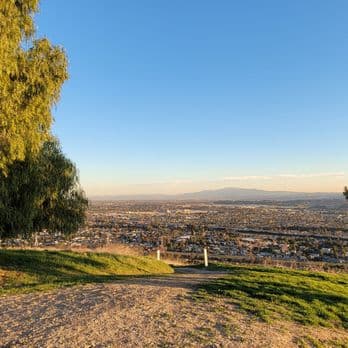
There is a legend of horse thieves using the canyon north of San Dimas to route horses stolen from rancheros and farmers to a nice area at the top of the pass to feed up for the desert journey south or northwest in front of them. A beautiful park with forever views of the entire San Gabriel Valley now sits atop the legendarily named "Horsethief Canyon".
Audio Narration
Tour Route
You are here


Experience This Story On Location
Download the History Cake app to experience this story with automatic audio narration as you visit the location.