Back to Pasadena to Palm Springs Driving Tour
210 transition to 57 south
We turn south now and climb a small set of hills just north of the now vanished community of Spadra, uncle Billy Rubottom's community of yore.
Story 4 of 25

As we climb the hill heading south, to the east or left is the Puddingstone reservoir. It is named for a waterfall in the canyons above San Dimas famed for picnics and hayrides in the late 19th century. Today it is a freshwater recreation area for boaters and fishermen and outdoor enthusiasts created by a dam approaching its 100 year birthday in 2028.
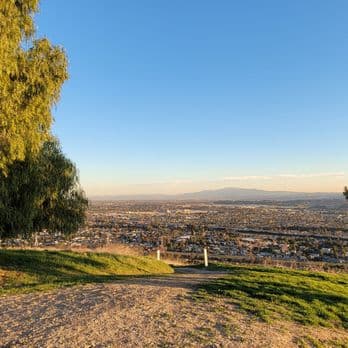
As we crest the hill, on the right and just out of view is vista verde country club and golf course and the community surrounding it and in front of us lies the Pomona valley and the old community of Spadra on the banks of the Santa Ana river. Like the San Gabriels in our rear view mirror, the hills we drive through were created in Paleozoic (@300 million years ago) and then rearranged during tectonics in the middle Miocene. The San Gabriels are the result of millions of years of plate movements which effectively created a conveyor belt of pacific islands and sea floor which slammed into the north american continental plate. Some of the pacific plate dove under the continental plate and some was crushed and remained on dry land in a jumble of rocks coming from widely different ages. This tectonic collision created what is called the Franciscan melange of rocks and makes local geology in California west of the Sierra Nevada a challenging proposition. The San Gabriels are a good example of this process as they are uplifted and tilted and have rocks which are geologically very young alongside ancient seabed rock billions of years old.
Audio Narration
Tour Route
You are here
Experience This Story On Location
Download the History Cake app to experience this story with automatic audio narration as you visit the location.