The island famous for its Pearl harbor, waikiki and Duke Kahanamoku, Diamond Head and the famed North Shore for its surfing history, still being written. Oahu houses around one million people of the island or "hui" and that is over 70% of the population of the hawaiian islands combined. She is 44 miles across from east to west and about 30 miles between her southern shores and the famed northern ones. Honolulu is the capitol of the island chain and has been for most of the time since Kamehameha 1 brought the islands together and stopped the bloodshed between warring island chiefs. While he kept his ancestral home in Kona on the big island and spent part of his monarchy in Lahaina on Maui, most of his time was spent here in Honolulu which had the most active port in the chain.
Download the History Cake app to explore this collection on location. Get automatic audio narration as you travel.
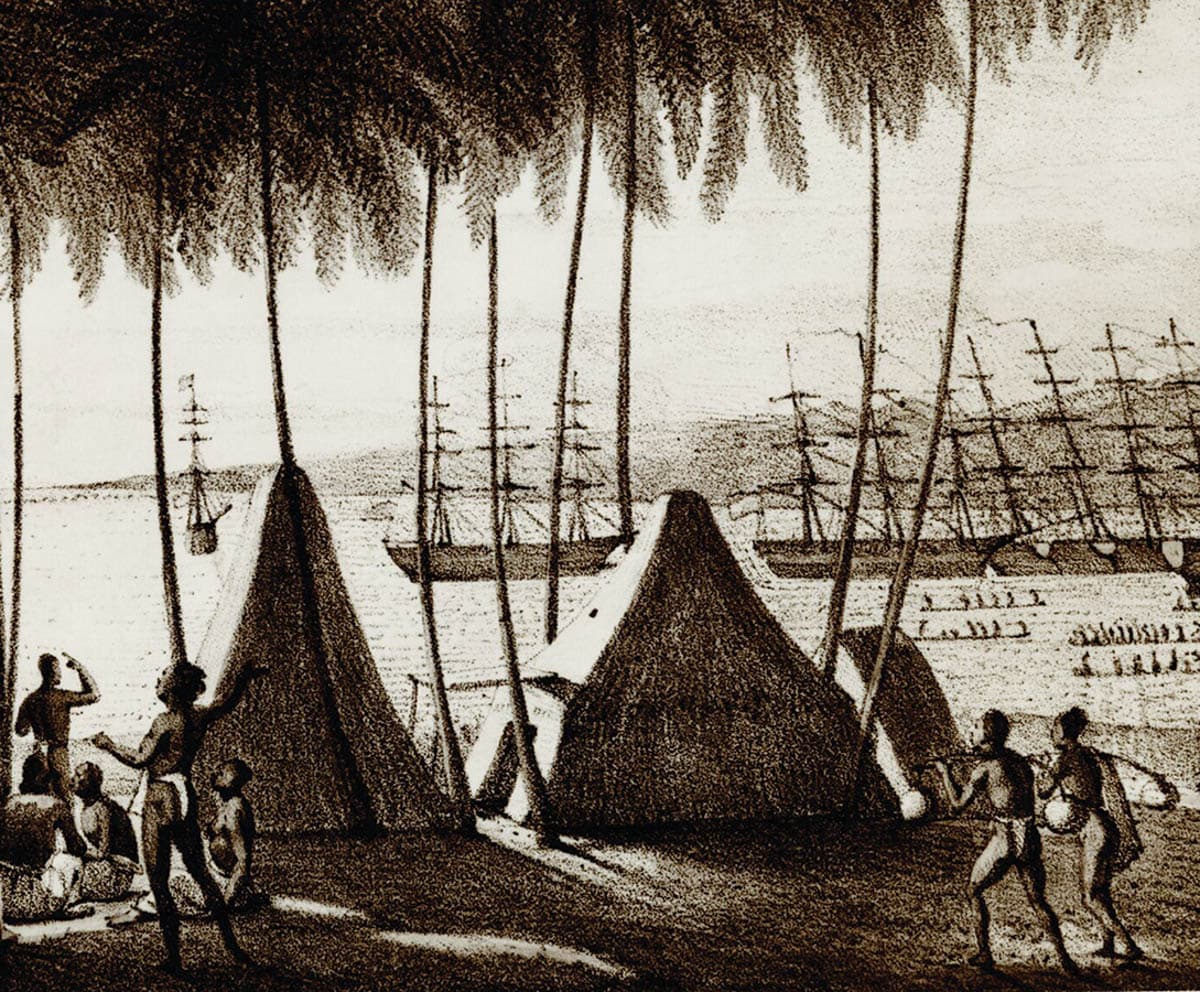
The history of Honolulu begins in the first Millenia with voyagers paddling large canoes in search of new lands upon which to settle. They most likely came from the Marshall Islands and lived for centuries in smaller villages and few visitors in unspoiled country and lived with what they brought along their voyage and were able to cultivate and gather in their new home. Honolulu is Hawaiian for 'sheltered harbor' or 'calm port'; Its old name, Kou, roughly encompasses the area from Nuʻuanu Avenue to Alakea Street and from Hotel Street to Queen Street, which is the heart of the present downtown district
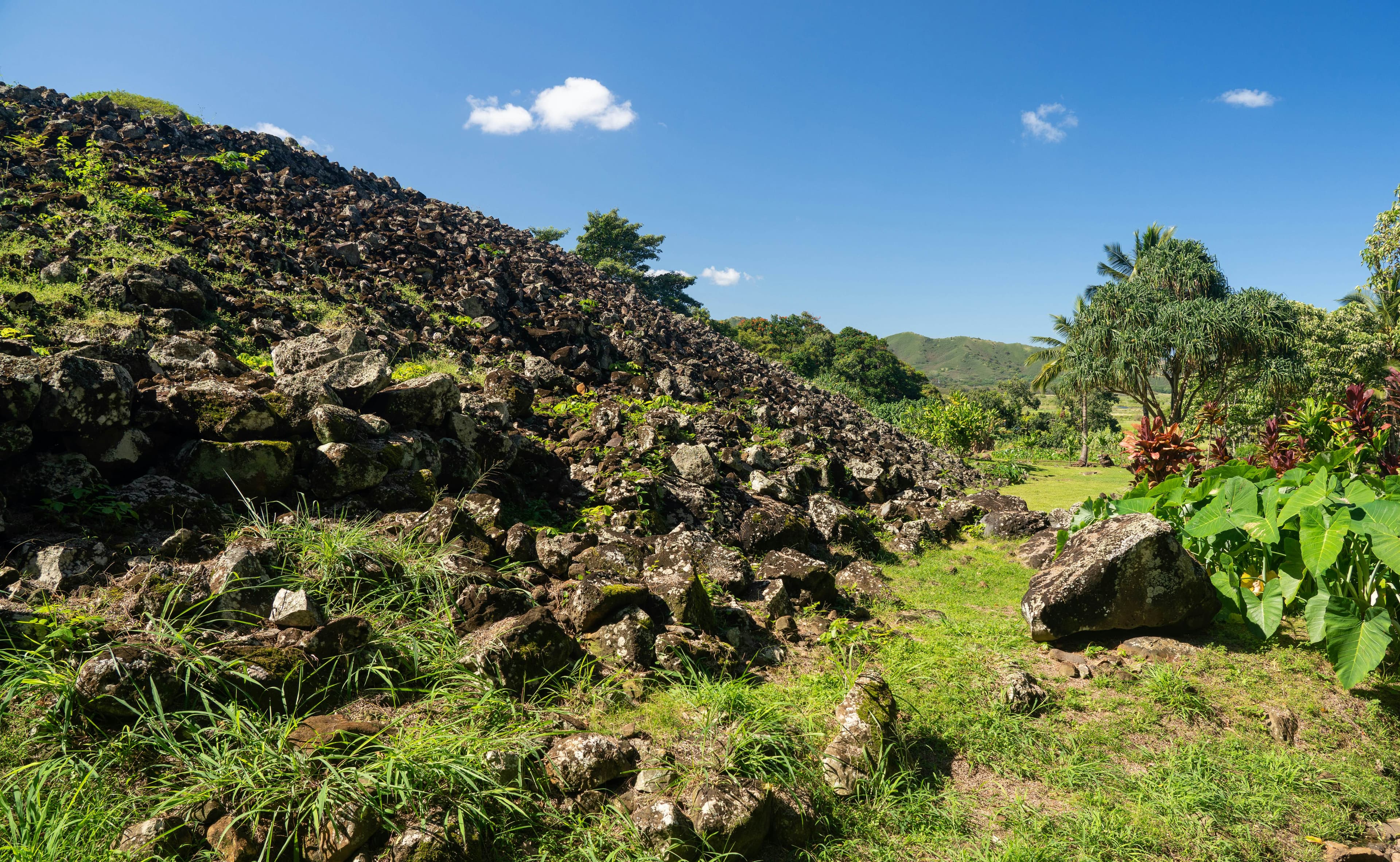
Oahu’s Oldest Heiau Ulupo Heiau stands as a platform at the edge of Kawai Nui Marsh in Kailua on the windward side of Oahu. It is built with thousands of rocks, carried and placed by hand, and it stands at 10 by 180 feet with walls up to 30 feet tall. Tradition points to those rocks coming from Kualoa, which is more than ten miles away.
For hundreds of years, Kūkaʻōʻō Heiau has guarded Mānoa Valley from its prominent position with views of the Koʻolau Range to Waikīkī’s shoreline. Mānoa, meaning “broad” or “vast,” is an apt description for this wide, lush valley. Agricultural pursuits were possible thanks to an abundance of fresh water (wai) available from the Koʻolau Range. Water was a precious, sacred gift and Hawaiians recognized the importance of conserving it, even naming the different rains of a locale to signify their value and characteristics. There are many Hawaiian proverbs that speak to the importance of rain in Mānoa. Under the direction of a land manager (konohiki), wetland taro (kalo) farmers and community members created a complex network of ditches (‘auwai) to regulate stream flow and irrigate their kalo fields (lo‘i). The konohiki would also oversee daily water distribution. Kūka‘ō‘ō Heiau, an ancient temple attributed to menehune, sits high above the Mānoa Valley floor, the sacred site would have overlooked a patchwork of wetland taro fields (lo‘i kalo). Breadfruit, banana and sweet potato were also cultivated in fertile Mānoa Valley. One can imagine farmers (mahi‘ai) looking up at the heiau with reverence. In the center of what was once an agricultural region, Kūka‘ō‘ō is considered a māpele heiau, dedicated to Lono, god of agriculture, rain and fertility. Kūka‘ō‘ō is translated a few different ways, all having to do with agriculture: Kūka‘ō‘ō – Kū (a Hawaiian god) of the digging stick (ka ‘ō‘ō) Kūkao‘o – Kū (deity) of mature growth (ka o‘o) Kūkao‘o – achievement of maturity Kūka‘ō‘ō – The digging stick stands upright In 1911, Monte rejected architect Walter Emory’s plans to build Kūaliʻi on the site of Kūka‘ō‘ō Heiau. From an architect’s perspective, the heiau’s location afforded the best views from the uplands of Mānoa Valley to the coastline of Waikīkī and Diamond Head. However, Monte insisted that his future residence be built a respectful distance from the heiau reinforcing a Cooke family legacy of stewardship and preservation. Restored in 1993 by expert Hawaiian dry-stack mason, Billy Fields, Kūkaʻōʻō Heiau survives as the last remaining intact Hawaiian temple in the greater ahupua‘a of Waikīkī and remains a remarkably timeless link to the past. “He did a magnificent job of repairing and restoring Kūkaʻōʻō using only stones associated with the site.” noted Nathan Nāpōkā, Mānoa Heritage Center Protocol Committee member and well-respected Hawaiian cultural practitioner. This 3D LiDAR scan of Kūka‘ō‘ō Heiau was completed by 11th and 12th grade students of the 2016-2017 Historical Preservation class at Mid-Pacific Institute. As the only K-12 school in the world using LiDAR for reality capture and historic preservation, this scan allows visitors from around the world to virtually experience this sacred site (wahi pana). +1 808-988-1287
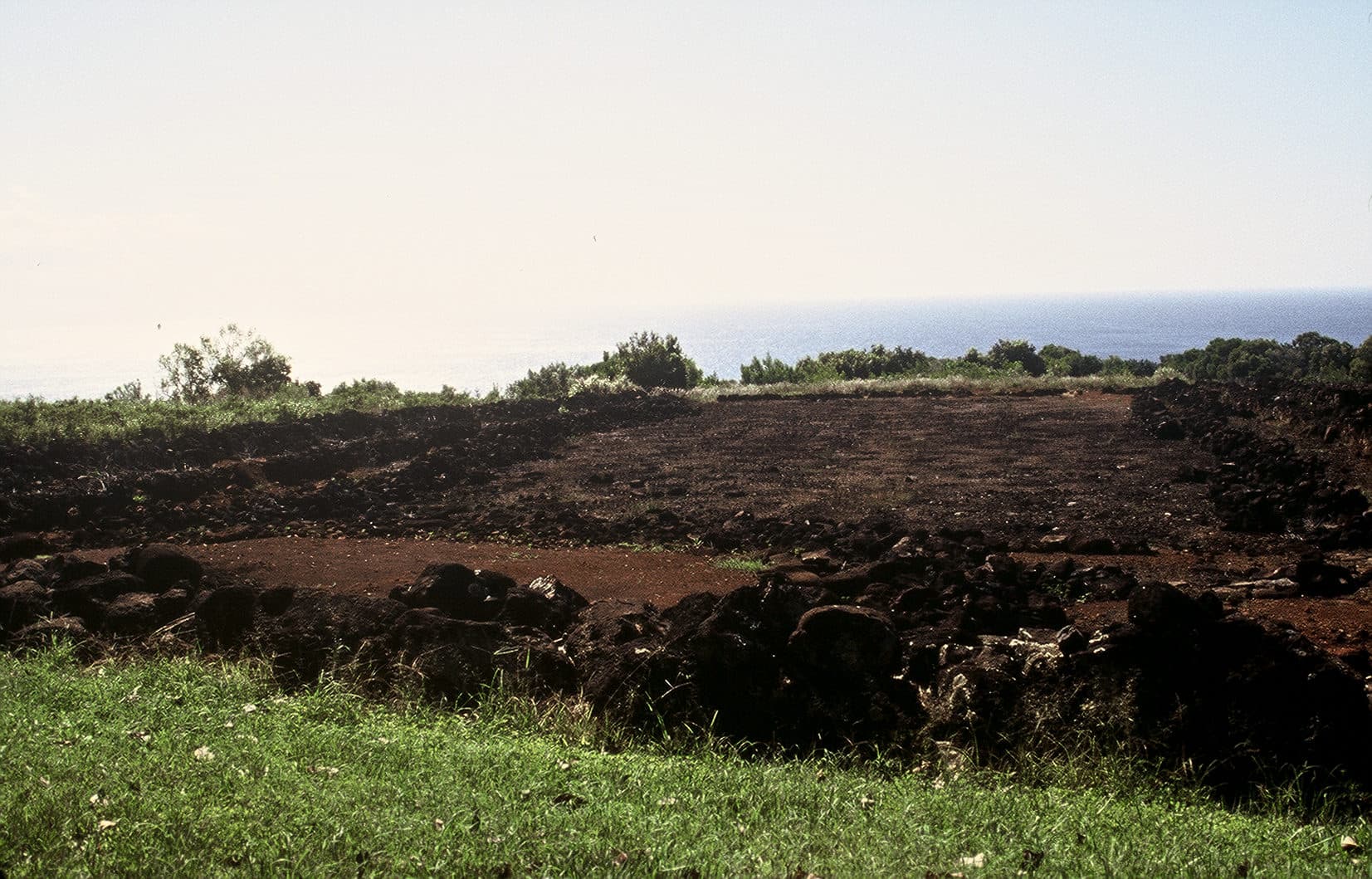
https://www.to-hawaii.com/oahu/ancientsites/puuomahukaheiau.php Puʻu o Mahuka Heiau is the largest heiau in Oahu. It spans over two acres in Pupukea. The high priest of Kamehameha I performed religious ceremonies here, and it was active until Hawaii’s traditional religious system was abolished in 1819. Remove Details from Google Maps 59-818 Kamehameha Hwy #96712, Haleiwa, HI 96712 dlnr.hawaii.gov +1 808-587-0300
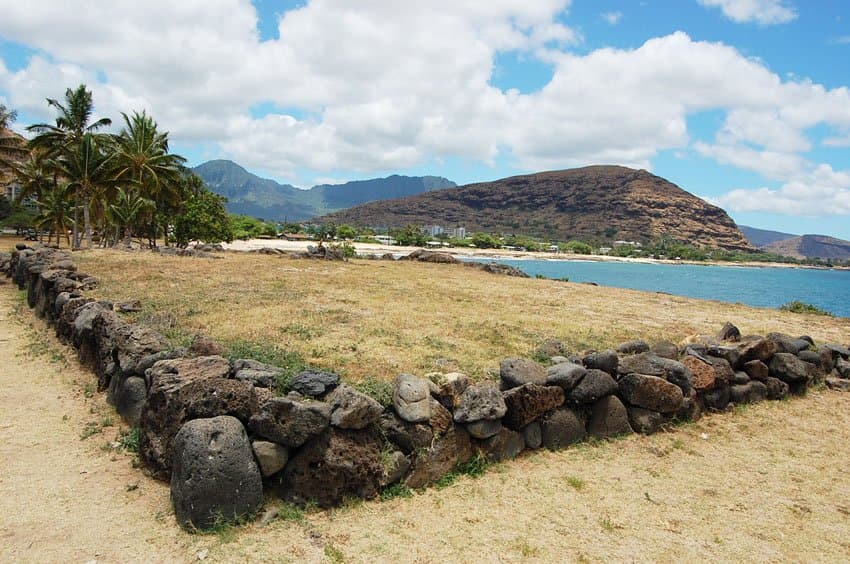
This coastal temple in Waianae was primarily used for navigation, even after the 1819 religious abolishment. But it was damaged when the U.S. military built a bunker during World War II. In the 1970s, Ku’ilioloa Heiau was restored, and you can see it when you visit Pokai Bay.
Keaiwa Heiau is a medicinal or healing heiau (temple) known as a heiau ho’ola. At this site, the kahuna (priest, expert) specializing in healing would diagnose and treat various illnesses and injuries. The kahuna would also train haumana (students) in the practice of la’au lapa’au, medicinal healing using plants, fasting, and prayers. Many of the plants and herbs were collected from the neighboring forest while others were planted around the heiau.
He'eia Fishpond is a large, traditional Hawaiian fishpond located on the windward coast of Oahu at Kane'ohe Bay. Encompassing 88 acres and surrounded by a 5,000-foot stone wall, it is one of the few restored and functioning fishponds remaining in Hawaii. Visitors can view this cultural treasure from He'eia State Park and learn about its importance in sustainable aquaculture practices.
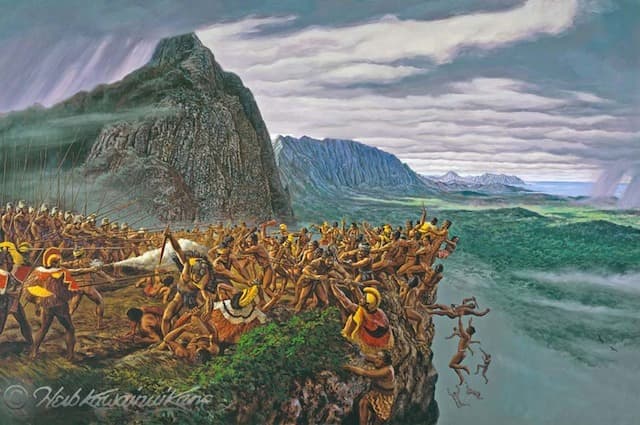
Notches on the crest of the ridge for cannon and warriors for centuries. The Battle of Nuʻuanu (Hawaiian: Kalelekaʻanae; literally "the leaping mullet"), fought in May 1795 on the southern part of the island of Oʻahu, was a key battle in the final days of King Kamehameha I's wars to conquer the Hawaiian Islands. It is known in the Hawaiian language as Kalelekaʻanae, which means "the leaping mullet", and refers to a number of Oʻahu warriors driven off the cliff in the final phase of the battle.[2] There are "varied and sometimes conflicting histories of the Battle of Nuʻuanu."
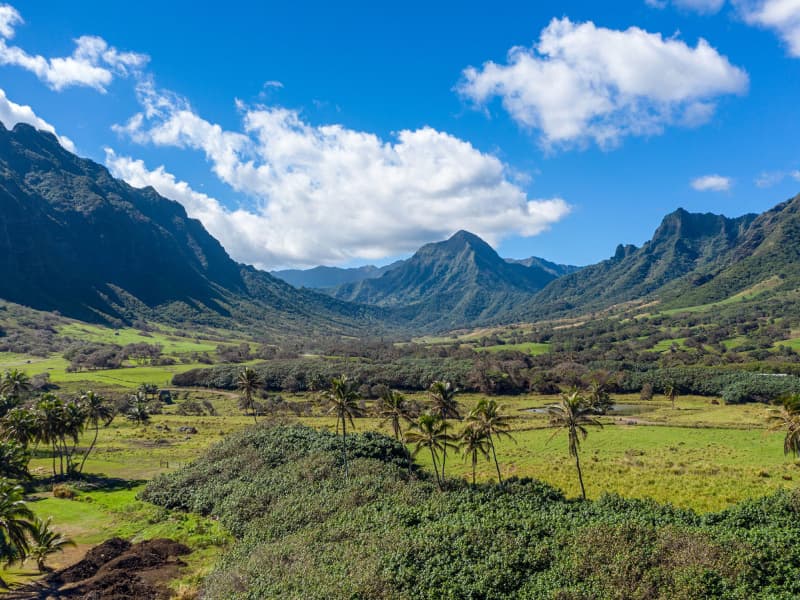
Ka'a'awa Valley is one of the most beautiful locations on the island of Oahu. It is also a site that is mentioned in many ancient legends and a place where the nightmarchers are believed to roam on full moon nights.
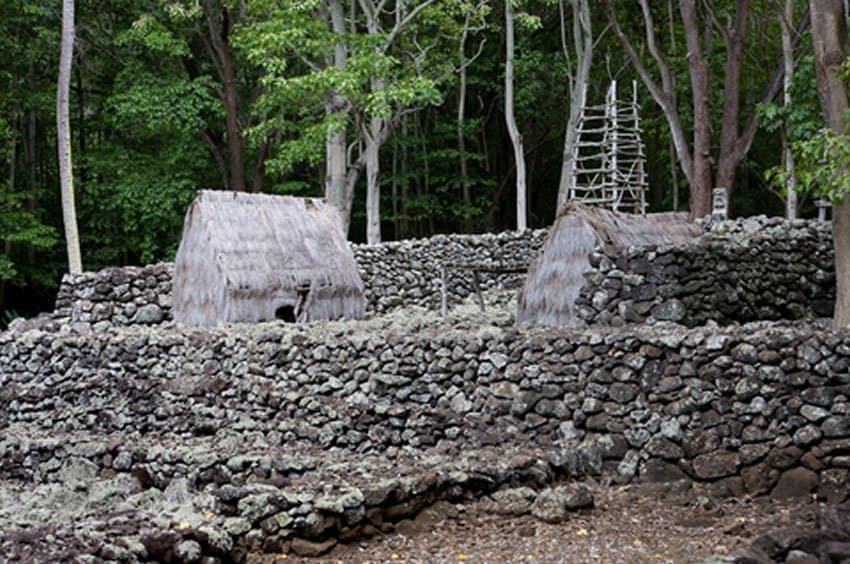
ttps://www.to-hawaii.com/oahu/ancientsites/kaneakiheiau.php. Kane'aki Heiau is a well-preserved Hawaiian temple located in Makaha Valley on Oahu's west side. Built in the 16th century and dedicated to the god Lono, this sacred site includes traditional structures such as prayer towers and a taboo house. The heiau was restored using native materials and served as a spiritual center until the early 1800s. Kane'aki Heiau, Oahu Please note: Kane'aki Heiau is currently closed until further notice.
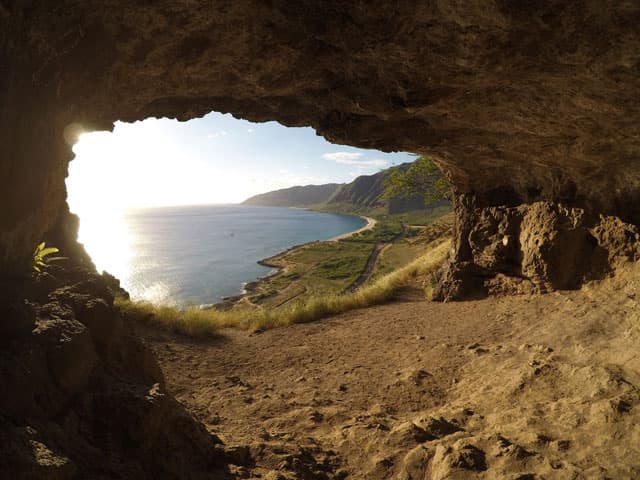
Kaneana Cave, also known as Makua Cave, is a sacred and mysterious site on Oahu's remote leeward coast. Steeped in ancient Hawaiian legends, this cave is said to be the birthplace of mankind and the lair of the legendary shark-man Nanaue. Carved by the sea and estimated to be over 150,000 years old, it offers visitors a glimpse into Hawaii's mythological past and geological history.
Ka Wai a Ha'o is a sacred spring located in downtown Honolulu on the grounds of Kawaiahao Church. In ancient Hawaii, this spring was reserved exclusively for the ali'i (chiefs), making it a place of high spiritual and social importance. Today, a man-made version honors the original site, featuring a stone from the ancient spring, preserving its cultural legacy.
Kukaniloko Birthing Stones is one of the most culturally significant ancient sites in Hawaii. Located near Wahiawa in central Oahu, this sacred site served as a royal birthing ground where ali'i (high chiefs) were born to preserve lineage and political power. The stones are arranged in alignment with the sun and mountains, reflecting both spiritual and astronomical importance.
Mauna Lahilahi is a small yet culturally significant mountain on Oahu's leeward coast, just south of Makaha. Meaning “thin mountain” in Hawaiian, it is considered sacred and linked to ancient deities such as Kane and Ai'ai. The site features petroglyphs, ancient shrines, and astronomical alignment, and was used as a lookout point in old Hawaii. Its proximity to Shark Island and sweeping coastal views add to its natural and spiritual appeal.
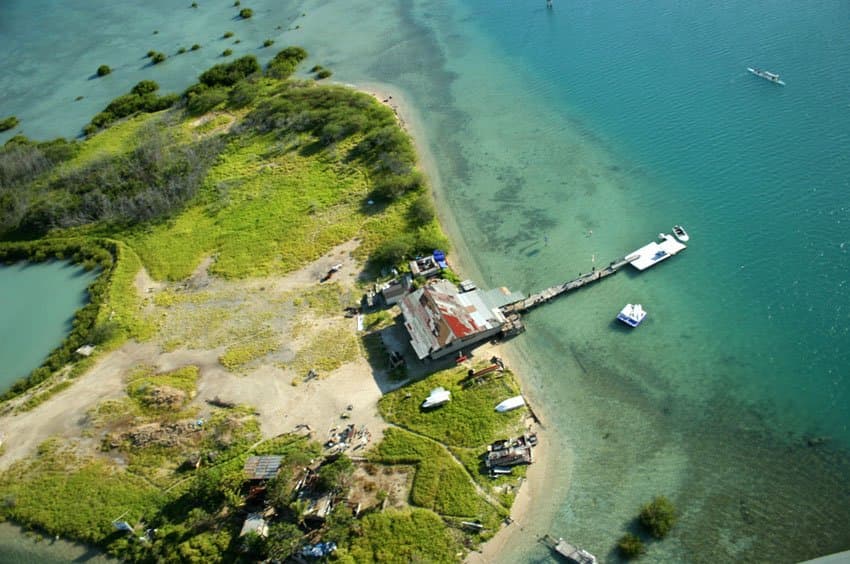
Mokauea Island, located in Ke'ehi Lagoon near Honolulu, is home to O'ahu's last traditional Hawaiian fishing village. This 10-acre island preserves a way of life rooted in subsistence fishing, aquaculture, and community stewardship. Despite pressures from urban development and government intervention, a small group of families continues to protect and revive this cultural treasure with the help of volunteers and nonprofits.
Hale O Lono Heiau is an ancient Hawaiian temple located in Waimea Valley on Oahu's North Shore. Dedicated to the god Lono, this sacred site dates back to between 1470 and 1700 A.D. and played an important role in agricultural rituals. Visitors can view the restored heiau as part of a cultural and botanical experience within the lush valley.
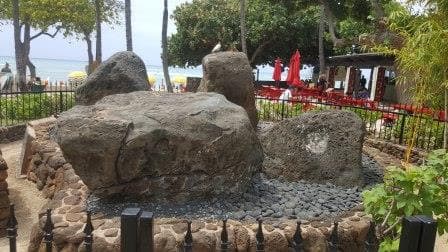
The Wizard Stones of Waikiki, also known as Na Pohaku Ola Kapaemahu a Kapuni, are four sacred healing stones located along Waikiki Beach. According to legend, they hold the spiritual mana of four wizards from Tahiti who shared their knowledge of healing with the people of O'ahu before departing. These stones are revered as a monument to Hawaiian cultural heritage and are protected within a viewing platform near the Duke Kahanamoku Statue.
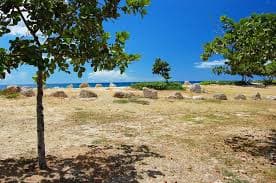
https://www.to-hawaii.com/oahu/ancientsites/ulehawahistoricsite.php Ulehawa Historic Site is a preserved ancient Hawaiian coastal settlement located at Ulehawa Beach Park on O'ahu's west shore. Dating from A.D. 1500–1800, this archaeological site contains the remnants of traditional Hawaiian life and is one of the few such preserved shoreline sites on the Wai'anae Coast. A cultural plaque marks the area, urging respect for its sacred history and future research potential.
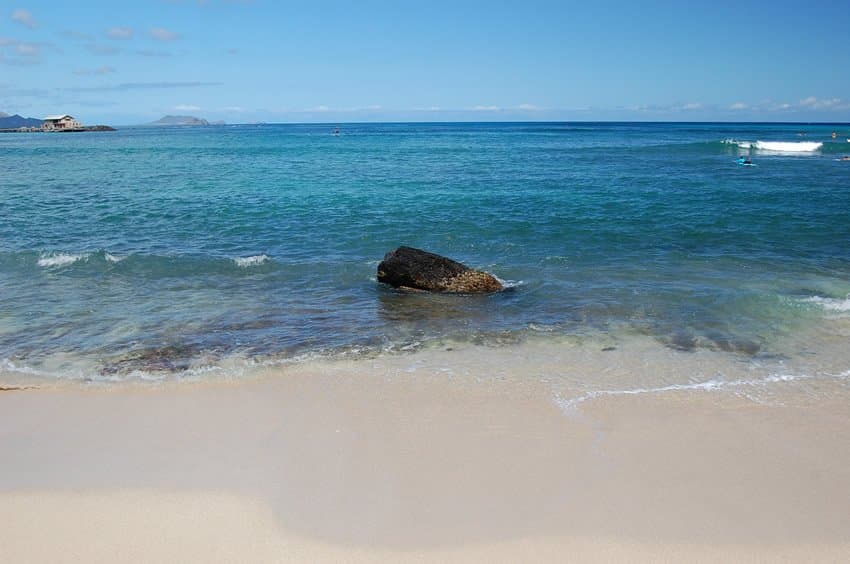
Pohaku Pa'akiki is a sacred lava rock located in the nearshore waters of Kaupo Beach on O'ahu's windward coast. While it may appear ordinary, Hawaiian legend tells of its significance as a spiritual offering site for sweet potato farmers who worshipped the shark god Kamohoali'i. This mythological rock represents the connection between the land, ocean, and ancient Hawaiian beliefs about respect, offerings, and protection.
Pohaku Lana'i is a fascinating ancient site located at Kaiaka Bay Beach Park on O'ahu's North Shore. This natural balancing rock formation - two large limestones stacked together - resembles a giant stone mushroom. Steeped in legend, it is believed to have floated ashore from the mystical land of Kahiki. Once a place of worship and a lookout for fishermen, Pohaku Lana'i offers visitors a glimpse into Hawaiian mythology and unique geology.
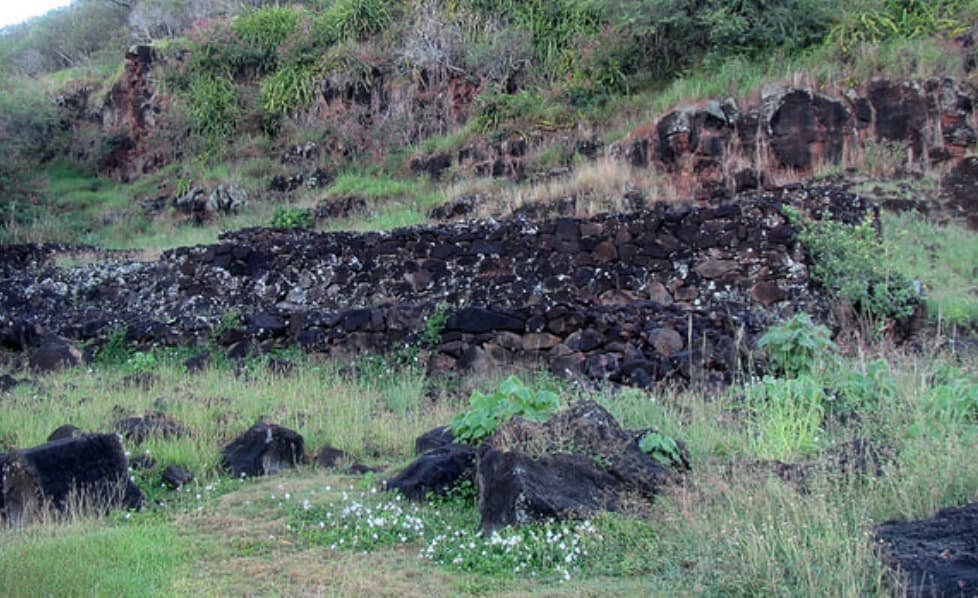
Pahua Heiau, Oahu Pahua Heiau is a restored agricultural temple located at the base of Kamilo Iki ridge in Hawai'i Kai on O'ahu. Believed to date back to the 14th century, this stone terrace was dedicated to Lono, the Hawaiian god of agriculture and fertility. Though partially restored, it still features coral pieces and native plantings, offering visitors a glimpse into ancient Hawaiian land stewardship and religious practices.
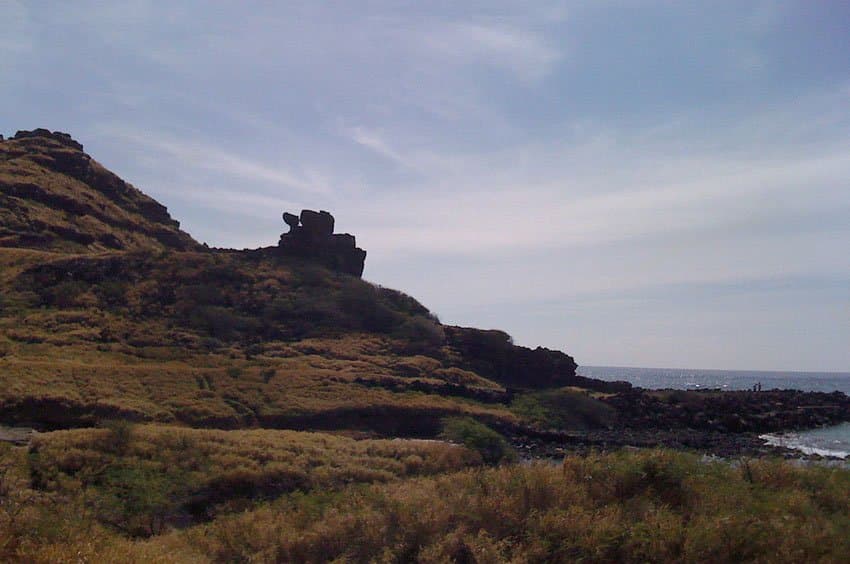
https://www.to-hawaii.com/oahu/ancientsites/peleschair.php Pele's Chair, also known by its traditional name Kapaliokamoa, is a striking lava rock formation on O'ahu's southeastern coast. Resembling a giant stone seat, this sacred site is steeped in Hawaiian legend as the place where Pele, goddess of fire and volcanoes, rested before journeying to other islands. Visible from the Makapu'u area, this culturally important landmark offers scenic ocean views and a connection to ancient mythology.
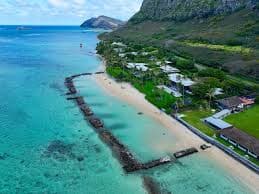
Located just south of Kaiona Beach Park, Pahonu Pond is an ancient Hawaiian stone enclosure surrounded a turtle pond where fishermen put turtles that were to be consumed by the ali'i (Hawaiian chiefs and royalty). In the old Hawaii, only ali'i were allowed to eat turtle meat. It was kapu (taboo) for a commoner to eat this delicacy, and breaking this kapu was punishable by death.
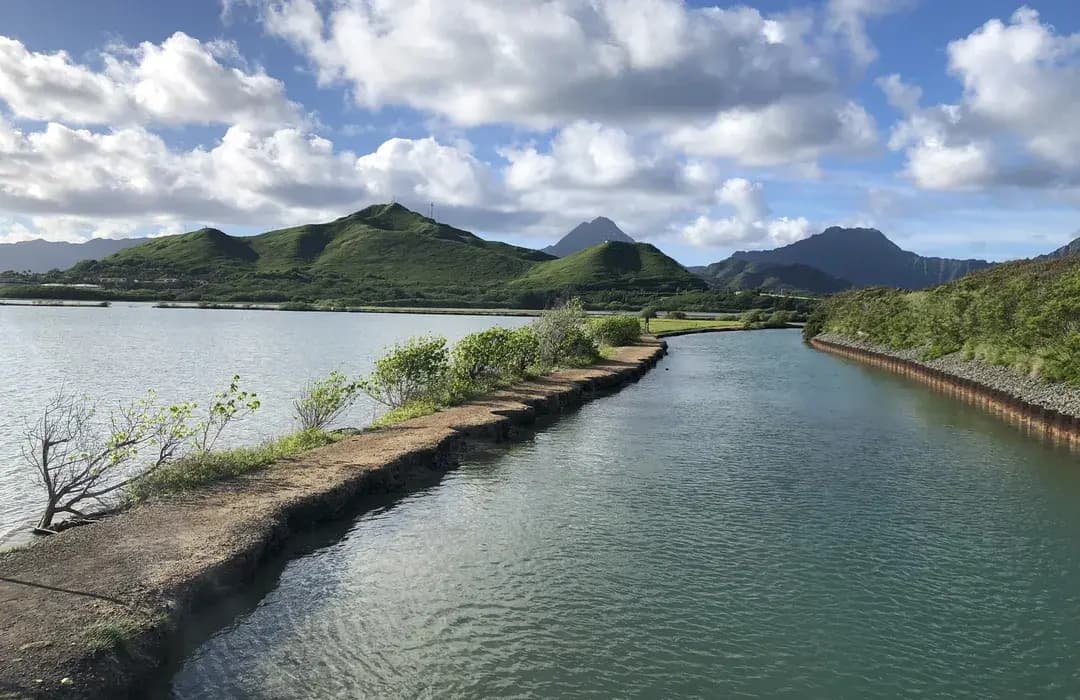
Nu'upia Ponds, located on O'ahu's Mokapu Peninsula, are a network of ancient and modern fishponds rich in Hawaiian legend and ecological importance. Once used for traditional aquaculture, the ponds now serve as protected wetlands and provide critical habitat for endangered native birds like the Hawaiian black-necked stilt. Although located within a Marine Corps base, their cultural and environmental significance continues to be recognized and preserved.
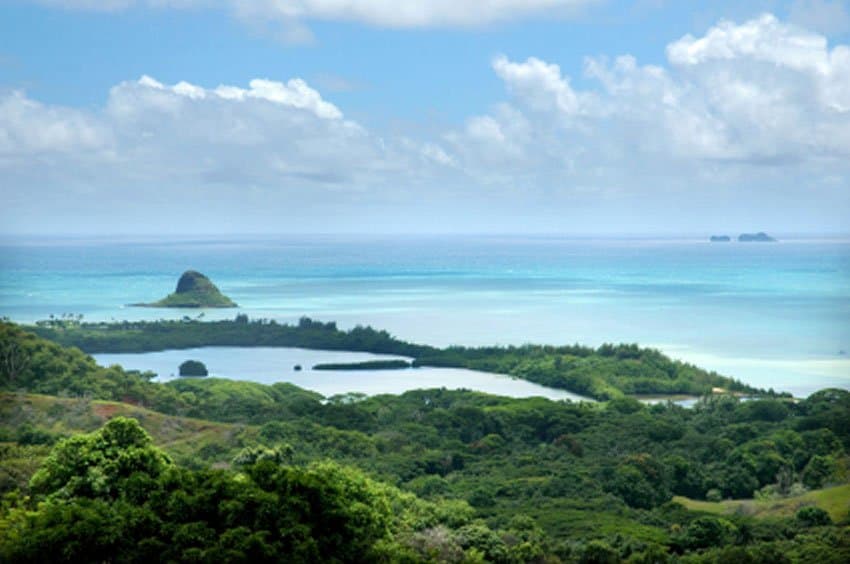
Moli'i and 'Apua Fishponds are two historic Hawaiian aquaculture sites located on O'ahu's scenic windward coast. Moli'i Fishpond spans 125 acres and remains operational today, managed by Kualoa Ranch. 'Apua Fishpond, smaller and overgrown, lies nearby at Kualoa Regional Park. Both ponds reflect ancient Hawaiian engineering, sustainability, and legend - believed to have been built by the mythical Menehune in a single night.