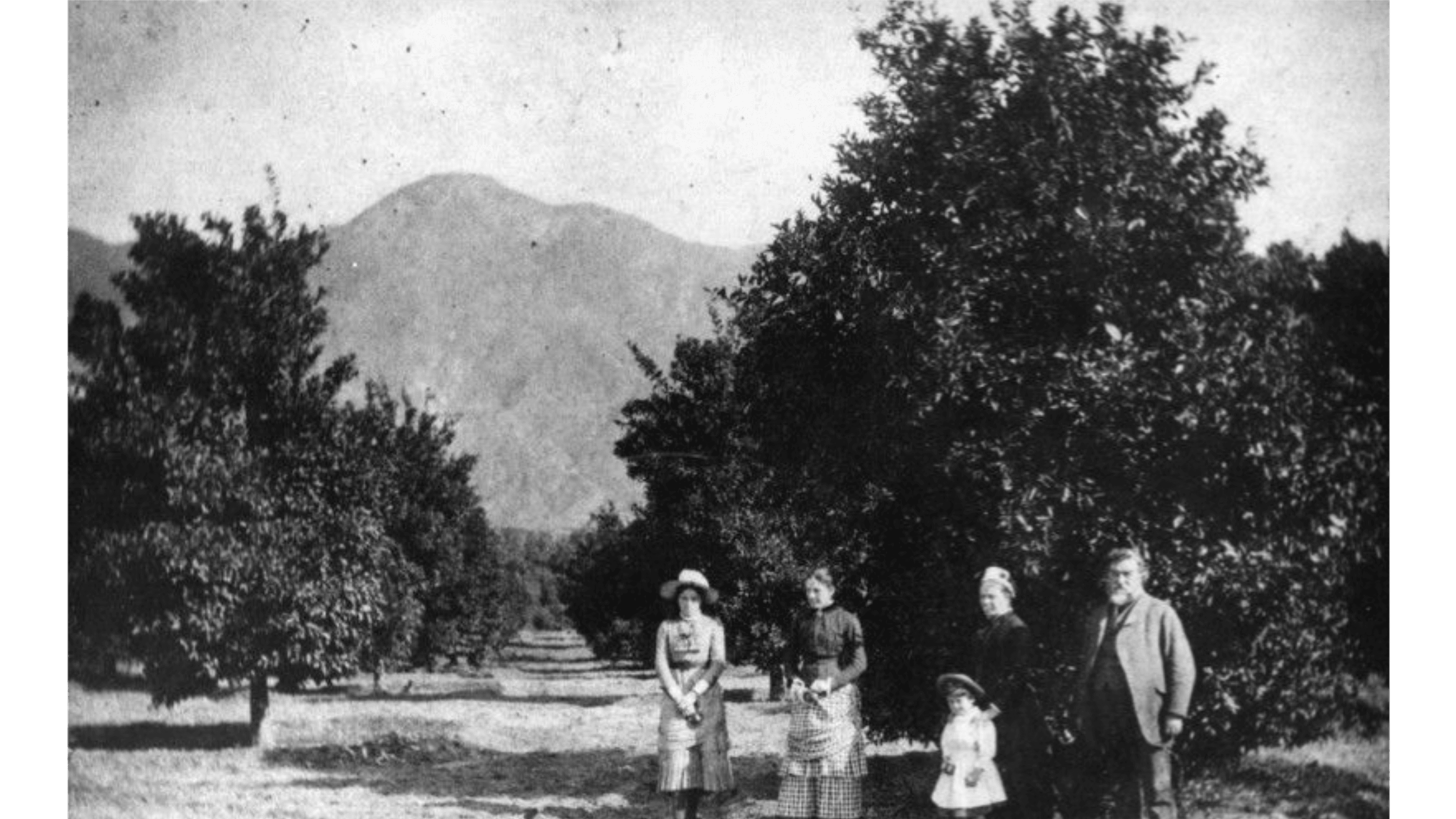
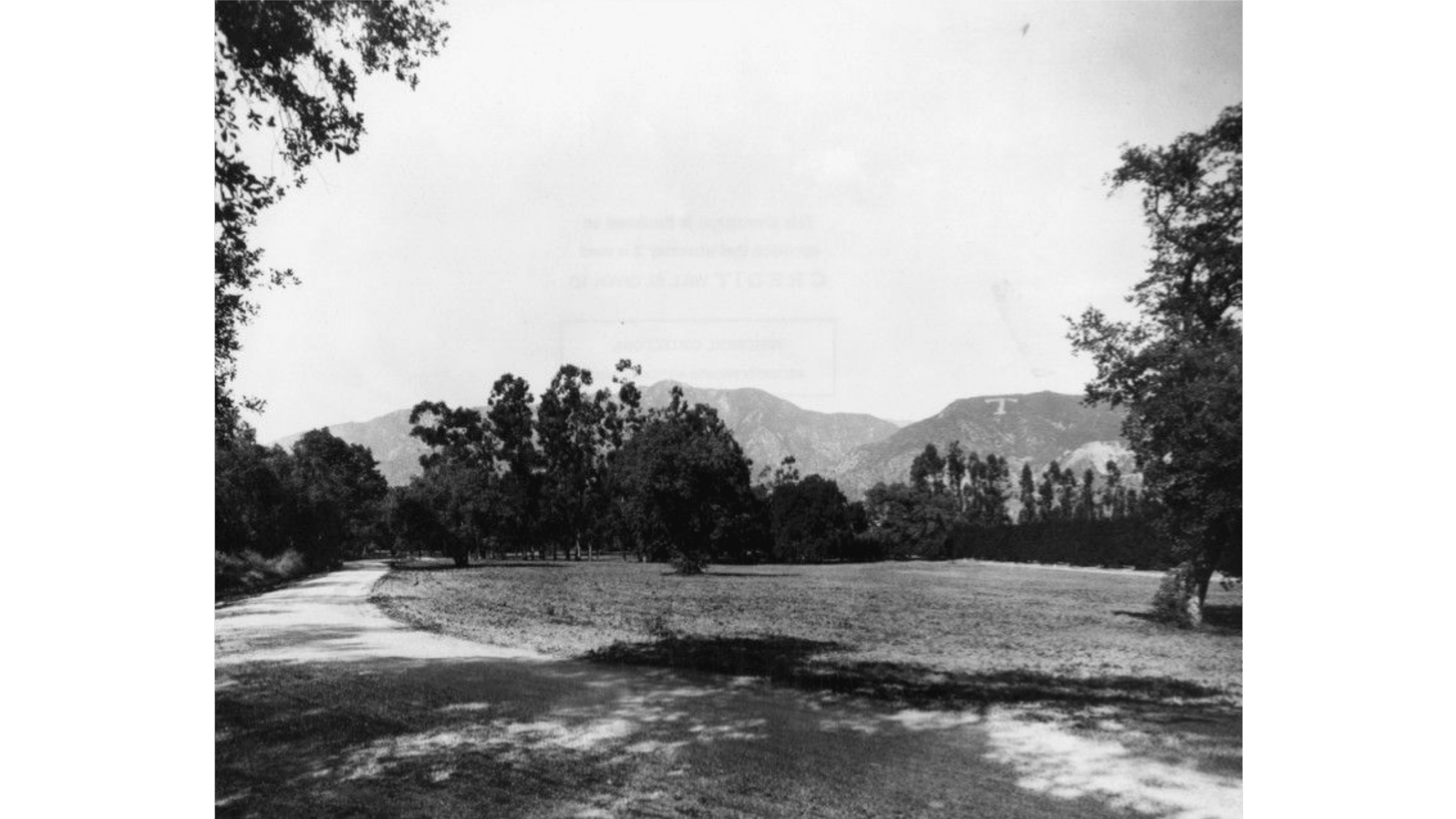
Step back in time nearly 150 years and walk through the vines and orchards of the William Allen "Sphinx Ranch" of the late 1880's. This is the setting just before turn of the century on the 500 acre ranch owned by the Allen family, the soils beneath the paved surface upon which your feet find purchase. The ranch was roughly outlined by Altadena Drive on the north and east, Allen Ave on the west and New York Ave as its southern boundary. Fruit and grape orchards were set amongst the native California Live Oak trees studding the gently sloped ranch.
Hello and welcome to HistoryCake, Sphinx Ranch 1890s tour.
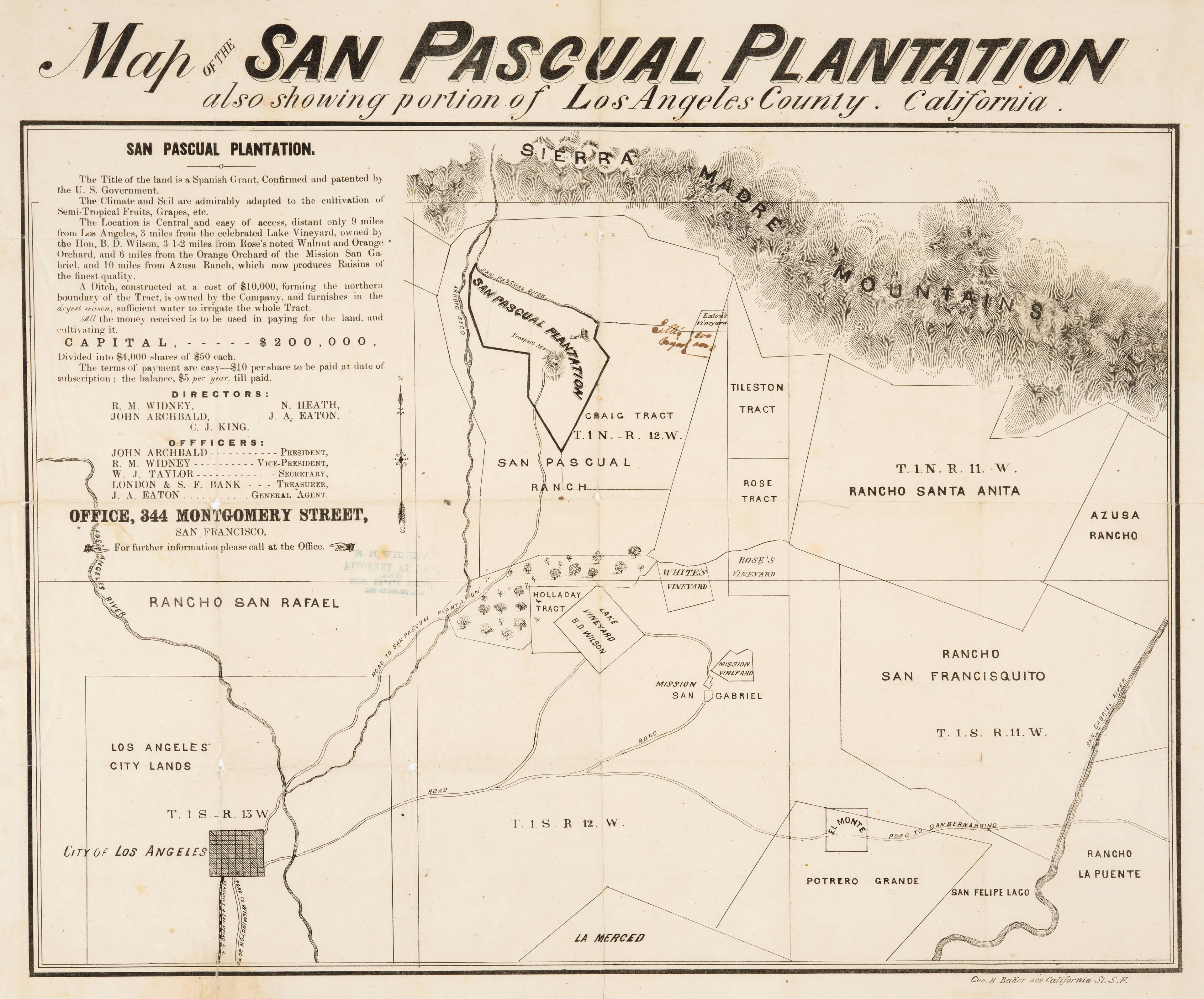
We will now transport you to before the days of suburban comforts and tidy tree lined streets and concrete driveways to a time one hundred and a half years ago when Altadena and the entire alluvial fan it rests upon, contained fewer than 50 homes. You are heading backa to 1890 and just 40 years after California has had a gold rush and become a state. It is a decade when the slopes of Altadena were peppered with a few residents trying to grow citrus fruits and grapes for wine and table and trying to stake a new life in a new land, the foothills of California at the top northeast corner of Los Angeles county. It was the top or Northeastern portion of the San Pascual rancho of Spanish California days and this rancho covered a massive amount of area including Pasadena, Altadena, South Pasadena and East Pasadena - all of which was in 1880 filled with only 34,000 people (25% fewer than in just altadena today.) Altadena in 1890 has only Rural.
The land that once comprised the Sphinx Ranch of the William Allen family is where our stories are told and with a little imagination, the lands can be returned to it along your walk. In 1892, a patriach of a wealthy family from Great Britain owned all of the land from present day Allen Avenue to Altadena Drive with present day New York drive defining the southern boundary of the orchards and vineyards of the Allen family. These are the stories of their life and the footsteps trod on the land before our grandparents had been born...
Download the History Cake app to explore this collection on location. Get automatic audio narration as you travel.
An overview of the varied peoples who have lived upon and used the land of Northeastern Altadena and Eaton Canyon's waters. From pre-contact native populations to the early 1900's with special attention paid to the 1890's, when the William Allen family comes to farm and live on the alluvial fan upon which our neighborhood sits today.
The alluvial fan spreading like an altarcloth in spring poppies could be seen by ships at sea as they came into what is now Santa Monica Bay. La sabanilla del oro it was called. Natives lived in the Eaton and the Arroyo Seco canyon mouths where oaks and acorns were plentiful and game abounded.
This is where carriages would enter the Sphinx Ranch from its southern property line and continue up the tree-lined drive (now pepper street) to the Allen Ranch House. William Allen rode up in 1879 via this same path, widened now, in a horse drawn buggy. Quote from William Allen from letter written with link to orchard description and house description.
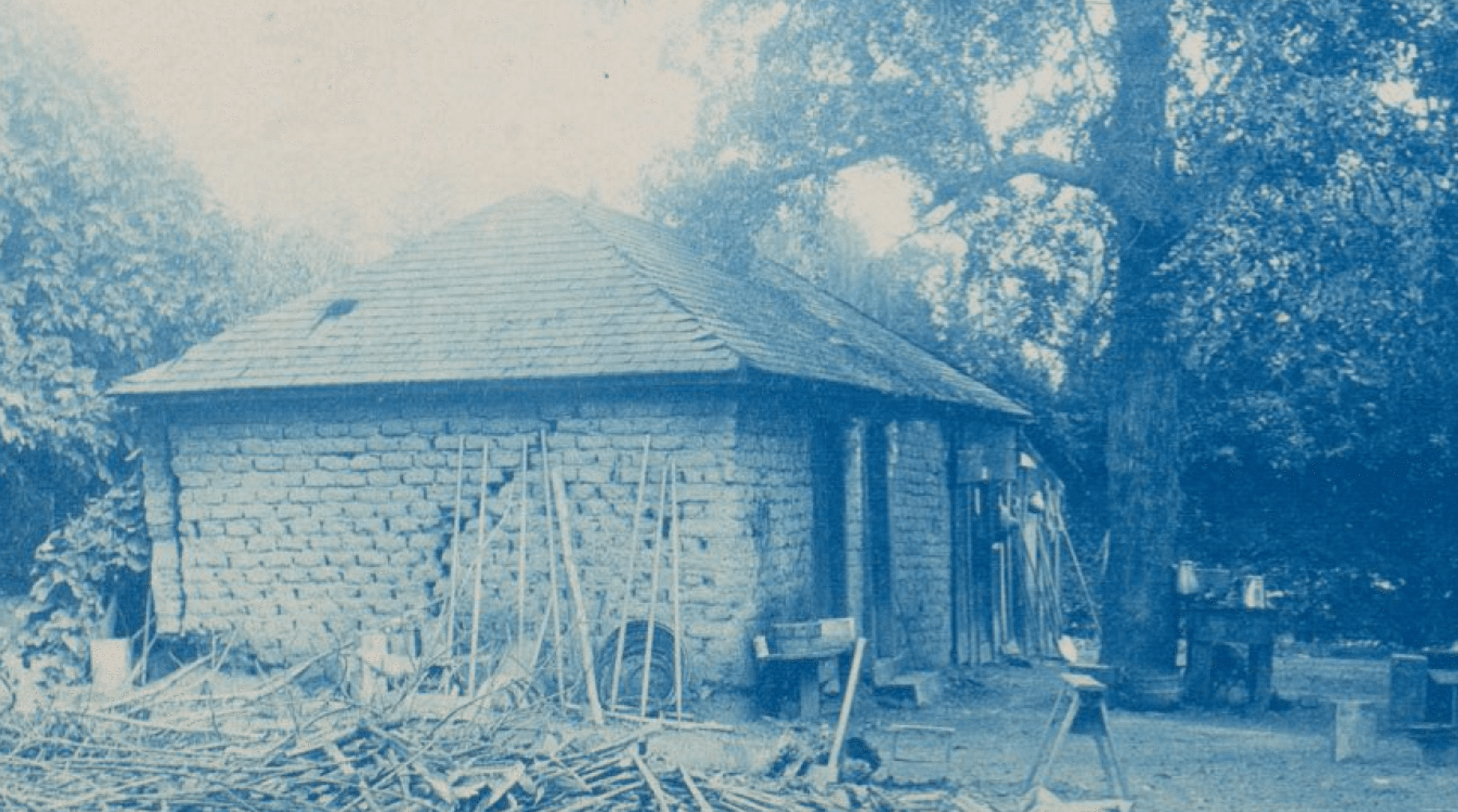
This was built when the Cranks owned the property for workers they hired to manage their vineyard.
Crank is a railroad man, not sure about Brigden, I know Craigs have orchards down at Allen and Colorado - both are trying to grow citrus and wine like the Allens.
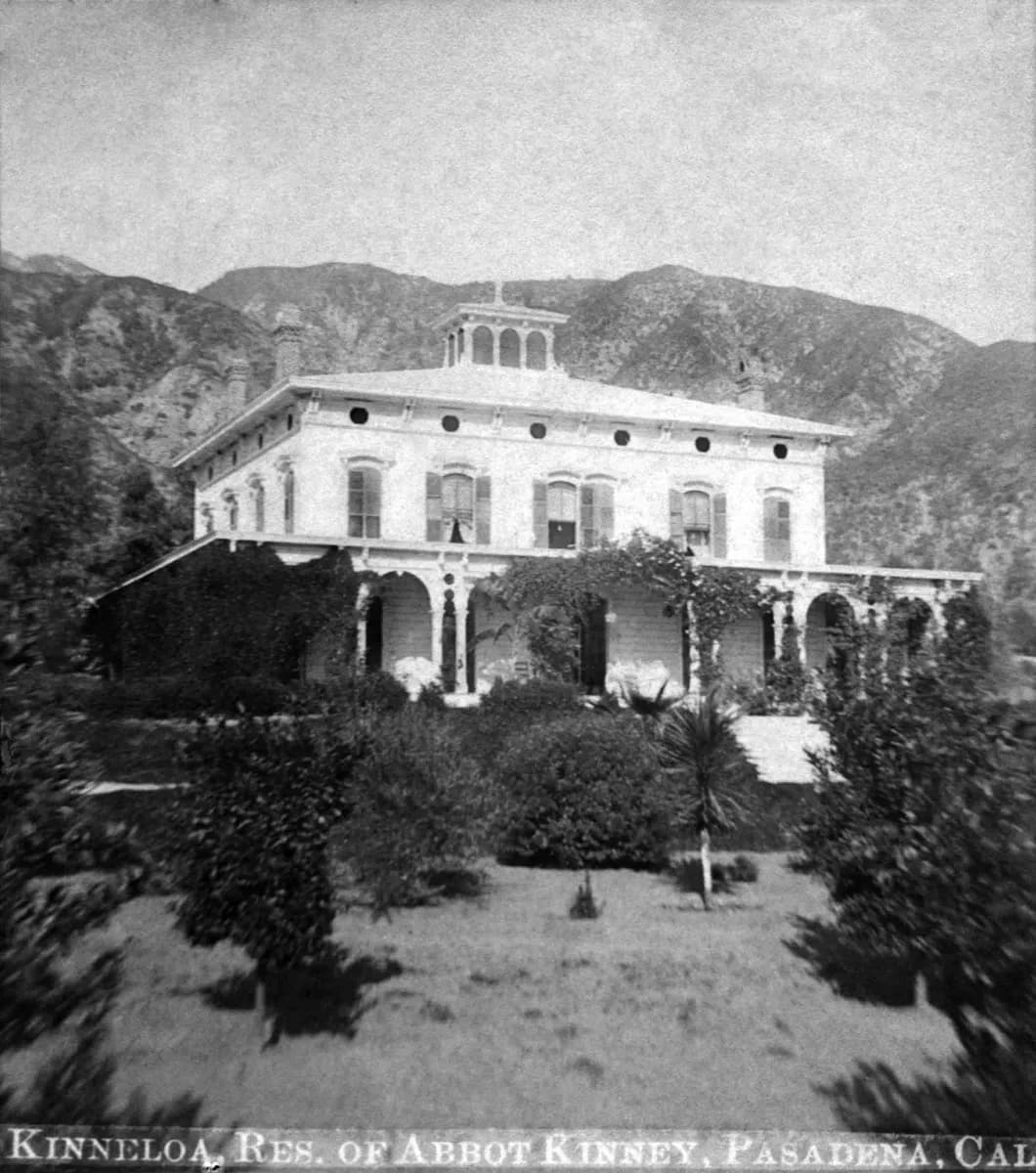
Kinney designs Venice and names his estate Kinneloa because of Hawaii and his love for it. Rose makes wine and it is the reason for Rosemead blvd. He also breeds race horses.
Henninger, Kinney, L.J. Rose, Fox family, Eaton Canyon Meadow cabins
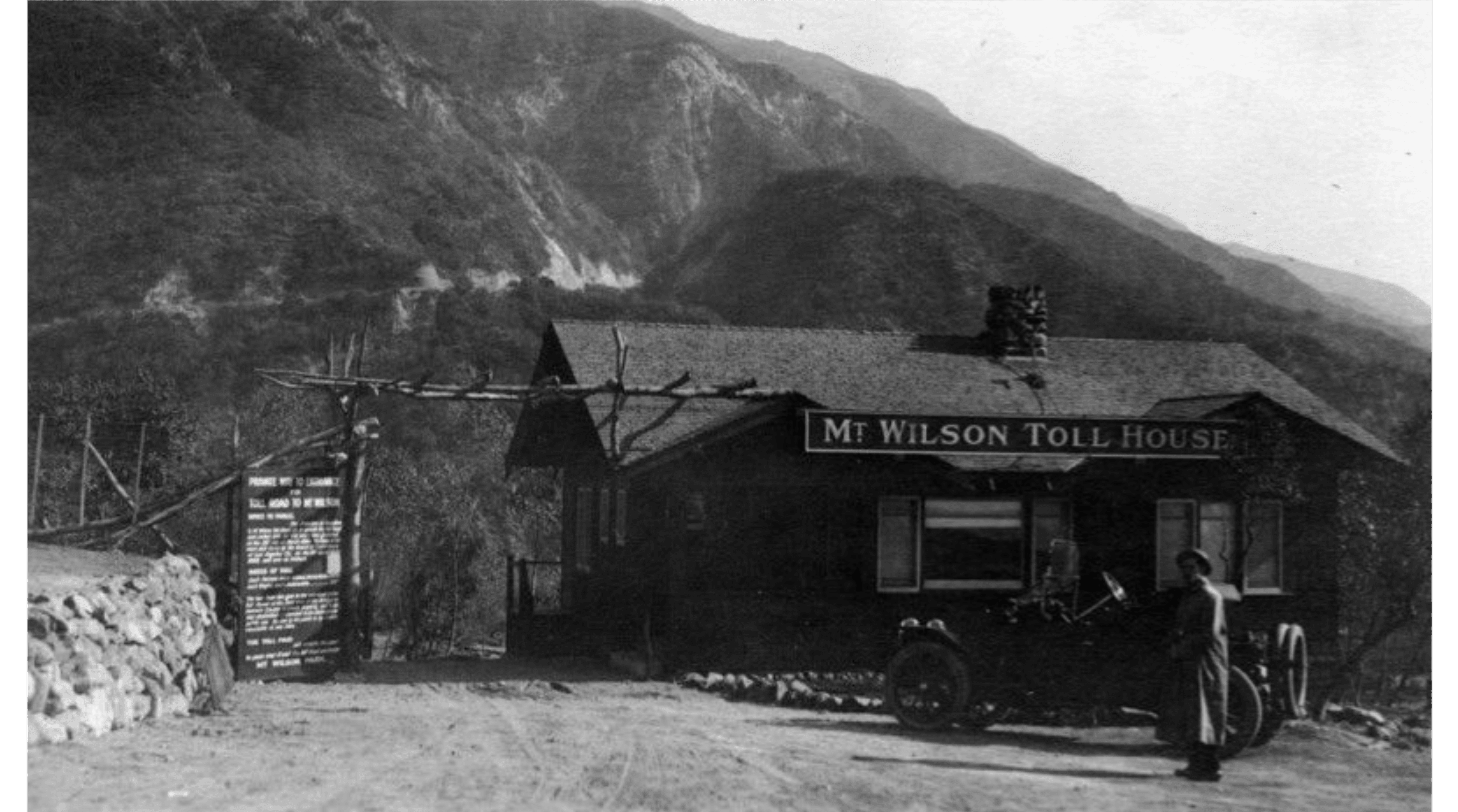
The road was built in 1891 by the Pasadena and Mount Wilson Toll Road Company - guided by the ever present Benjamin Eaton - to provide access to the newly installed Harvard telescope and observatory on the summit of Mt. Wilson. The original road was 10 miles long and 4 feet wide, but was later expanded to 6 feet wide to accommodate increased foot and pack animal traffic. The toll road allowed vehicles, hikers, and pack animals to reach the top of Mt. Wilson, which had previously only been accessible via a more difficult trail. The road was used to transport equipment and materials for the construction of the Mount Wilson Observatory, including the 100-inch telescope mirror in 1917.
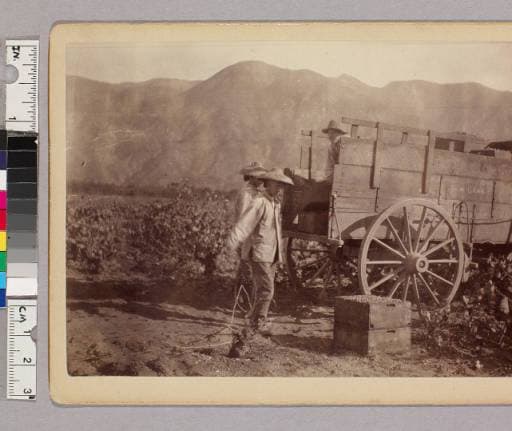
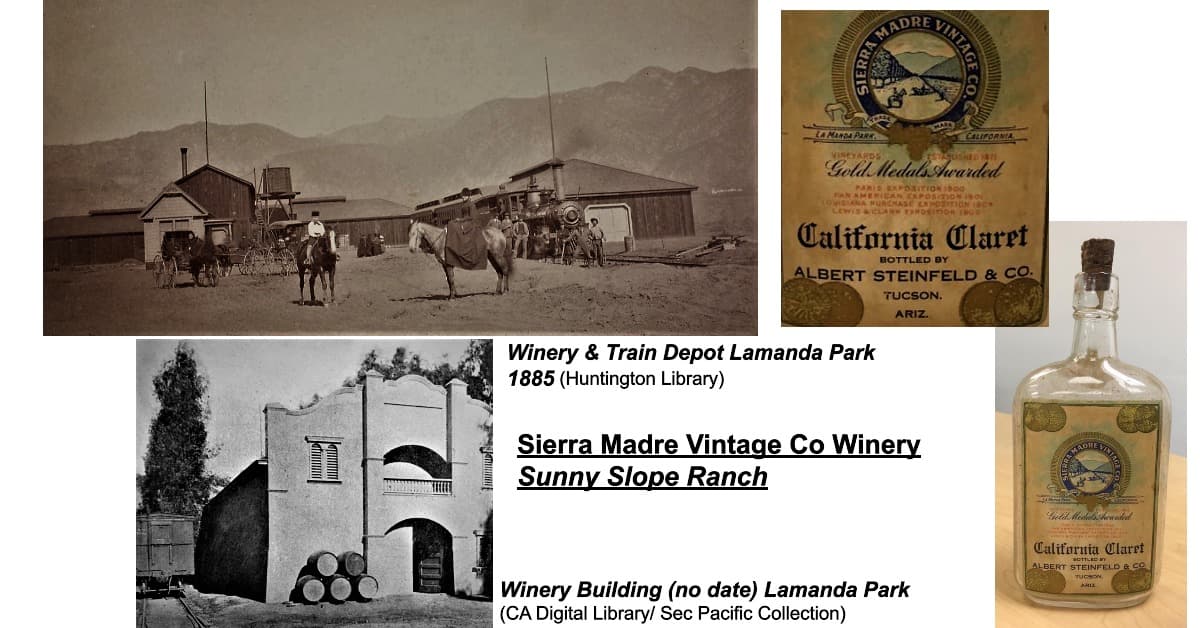
William planted several varieties of grapes to augment the producing vines Benjamin Eaton had planted and dry-farmed. The Allens did not press their own grapes, rather, they would box them up and drive them over to L.J. Rose and his distillery. He produced a significant portion of the wine and brandy of California for a few years and his legacy in that regard lives in nearby Rosemead Blvd and his Santa Anita Rancho.
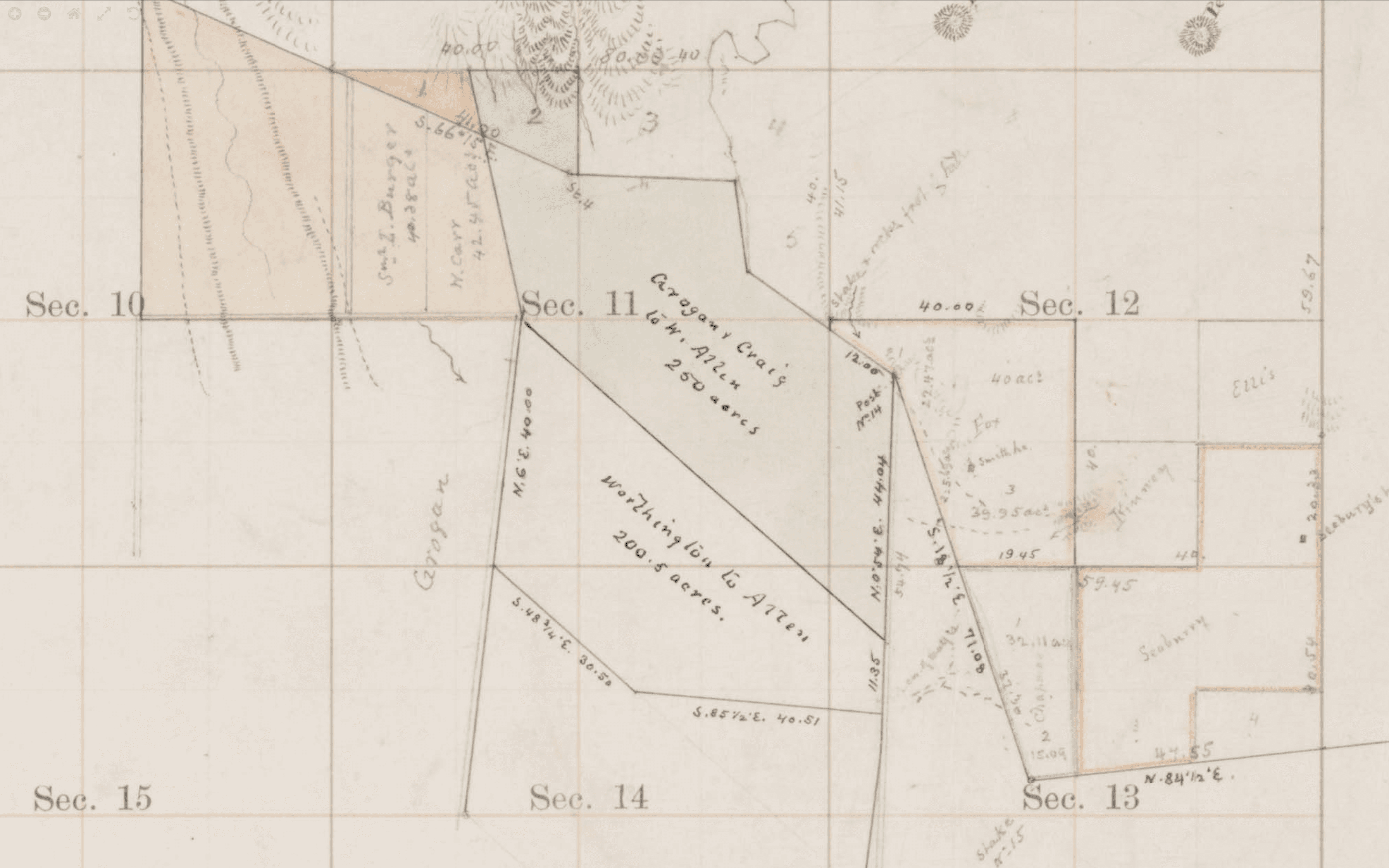
Alexander Grogan, was a key landholder in early Pasadena history, purchasing a significant "Grogan Tract" in the north area (near modern Villa Street and Lake Avenue) from the Rancho San Pasqual holdings. This area, along with others like the Monk Tract, was later subdivided for residential development in the late 19th century.